
Documents
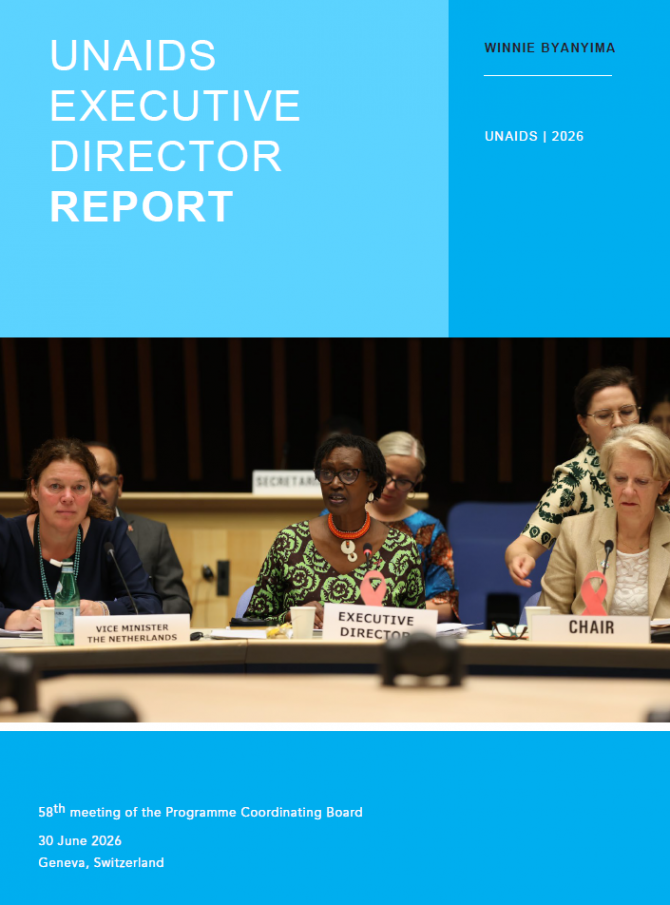
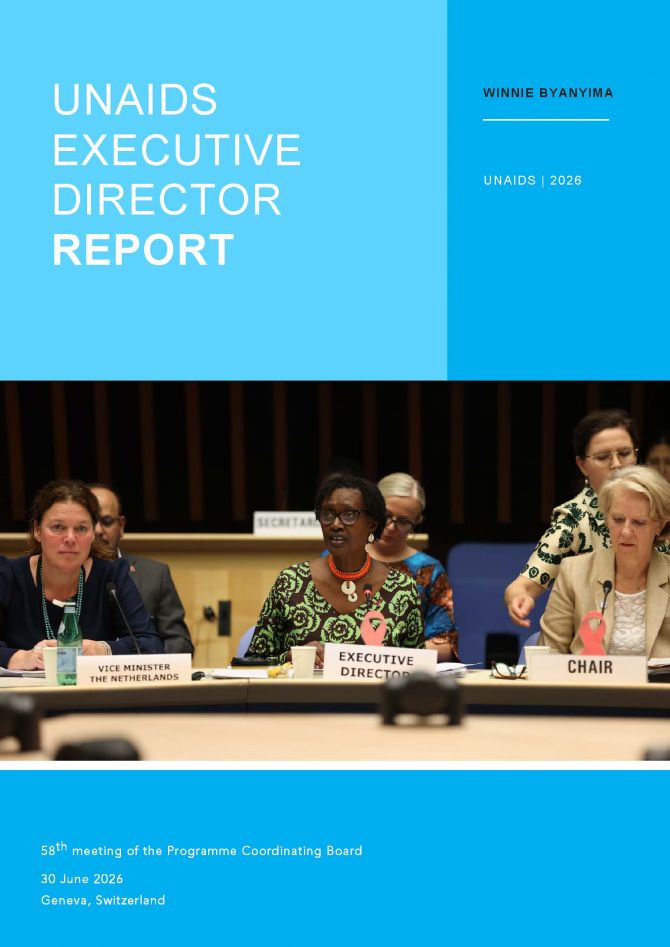
UNAIDS Executive Director's report to the 58th meeting of the Programme Coordinating Board
30 June 2026
Documents
List of Participants
29 June 2026


Feature Story
The 2026 UN Political Declaration on HIV/AIDS: Accelerating progress towards ending AIDS as a public health threat
29 June 2026
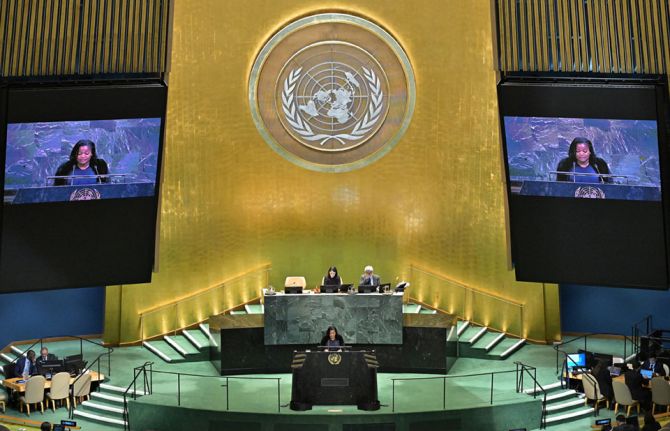
29 June 2026 29 June 2026On 22-23 June 2026, UN Member States convened at the UN General Assembly High-Level Meeting in New York to consider and agree a new Political Declaration on HIV/AIDS. The agreement sets out the global priorities, targets and actions that will guide the HIV response over the next five years and accelerate progress towards ending AIDS as a public health threat by 2030.
The 2026 UN Political Declaration on HIV/AIDS was adopted by an overwhelming majority of Member States, with 149 votes in favour, 8 against and 14 abstentions.
Note: References in parentheses (e.g. P60) refer to the corresponding paragraph numbers in the 2026 UN Political Declaration on HIV/AIDS.
The following highlights the key aspects of the 2026 UN Political Declaration on HIV/AIDS:
Topline Targets of the 2026 Political Declaration
By adopting a new Political Declaration on HIV/AIDS that reflects the targets of UNAIDS’ Global AIDS Strategy 2026–2031, Member States endorsed new, bold commitments that, if fully achieved, will avert an additional 3.2 million new HIV infections and 1.3 million AIDS-related deaths by 2030.
The 2026 Political Declaration includes all 16 of the 2030 targets contained in the Global AIDS Strategy 2026-2031, as well as additional new targets agreed by Member States. These targets include:
- Treatment and prevention scale-up: Two critical, new global milestones: reaching 40 million people living with HIV with life-saving HIV treatment – including 38 million with a supressed viral load - (P60) and 20 million people with ARV-based prevention by 2030 (P57).
- Reaffirming the 95-95-95 targets: Recommits to the 95-95-95 targets for HIV testing, treatment and viral suppression by 2030 (P61).
- Securing sustainable financing: A new global financing commitment of US$21.9 billion annually by 2030 (P48b), backed by explicit pledges to sustain domestic and international funding and minimize out-of-pocket health expenditures (P46).
- Ensuring the protection of human rights, including gender equality, and ending HIV-related stigma, discrimination and violence: A renewed commitment – with specific, measurable targets – to protect human rights, achieve gender equality, empower all women and girls and end HIV-related stigma, discrimination and violence (P73).
- Achieving the 2030 targets for rates of new HIV infections and AIDS-related deaths: A recommitment to a 90% reduction in new HIV infections and AIDS-related deaths by 2030 (P90) – the agreed definition for ending AIDS as a public health threat after which countries can move from mitigating an epidemic to managing chronic disease - a different, more manageable, mission.
Core Pillars of the 2026 Political Declaration
1. Advancing people-centered HIV prevention and treatment for people living with, affected by or at risk of HIV
- Comprehensive prevention: New, measurable target to ensure 90% of all people in need are reached with effective prevention options, including condoms, PrEP and harm reduction (P56).
- Explicit focus on key populations: Places greater, explicit emphasis on key populations across all areas of the HIV response, acknowledging that ending AIDS is impossible without reaching and empowering these communities (P58).
- Gender equality, empowering women and girls: Reaffirms the structural necessity of reaching women and girls with comprehensive education and fulfilling all human rights for women and girls, including their sexual and reproductive health and reproductive rights (P59).
- Eliminating vertical transmission: Includes bold targets to achieve the elimination of vertical transmission of HIV and to end pediatric AIDS and ensures comprehensive care for women and children living with HIV (P69).
2. Community leadership, equity and rights
- Empowering communities: Formally reinforces community-led responses by committing to expanded social contracting and community-led monitoring supported by increased funding. Also calls for institutionalizing the 30-80-60 targets for community-delivered services (P94).
- Protecting civic space and human rights: Newly commits to enabling a civic space for civil society and recommits to the 10-10-10 targets calling for the lifting of HIV-related stigma and discrimination, punitive legal barriers and violence against women and key populations (P73).
3. Access to medicines, integration and accountability
- Access to medicines and technology Transfer: Commits to ensuring the global accessibility, availability and affordability of quality-assured HIV medicines, diagnostics, vaccines and other essential health technologies through tailored technical assistance and technology transfer (P85), while also supporting the rapid scale-up of innovations, including long-acting formulations (P68).
- Integration: Introduces an ambitious integration agenda with new targets for integrating HIV services into maternal, child, and sexual/reproductive health services, alongside integrated HIV/TB services to sharply reduce TB-related deaths (P65).
- Scientific discovery: Outlines a full agenda and commitment to advance long-term scientific research for an HIV vaccine and a cure (P51).
- Data and accountability: Commits to strengthening disaggregated data and accountability systems at country level, including through investment in community-led monitoring (P54).
4. Financing the Future of the HIV Response
- Scaling-up sustainable financing: Commits to mobilize $21.9 billion annually by 2030 for HIV in low- and middle-income countries (P48b), through predictable, adequate and diversified funding from domestic and international sources (P48).
- Closing critical funding gaps: Prioritizes fully financing HIV prevention and societal enablers, recognizing that prevention is essential to ending AIDS (P49), and strengthens HIV financing for community-led responses (P54, P94).
- Strengthening domestic investment and transition: Supports sustainable financing models to enable a gradual shift toward domestic funding without disrupting services, with reduction of out-of-pocket expenditures and advancement of universal health coverage, and promotion of national health sovereignty (P50).
5. Renewed Support for Multilateralism
- International Partners: The 2026 Political Declaration recognizes the leading role played by the Joint UN Programme on HIV/AIDS (UNAIDS) in coordination, technical cooperation, monitoring and support to national AIDS responses over the last 30 years (P9a), as well as achievements of the Global Fund to Fight AIDS, Tuberculosis and Malaria, Unitaid and their partners in financing the implementation of country-led HIV responses (P9b).
- Annual Reporting and HLM 2031: Commits Member States to submit annual progress reports to UNAIDS, using robust, disaggregated data to pinpoint gaps in service coverage and HIV response outcomes (P97), and convene the next UNGA high-level meeting in 2031 to review progress (P100).
Related resources
Documents
Agenda item 9: Thematic Segment Agenda
30 June 2026


Feature Story
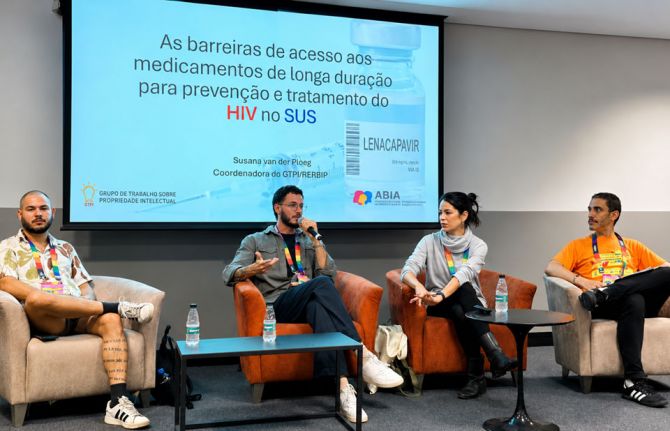
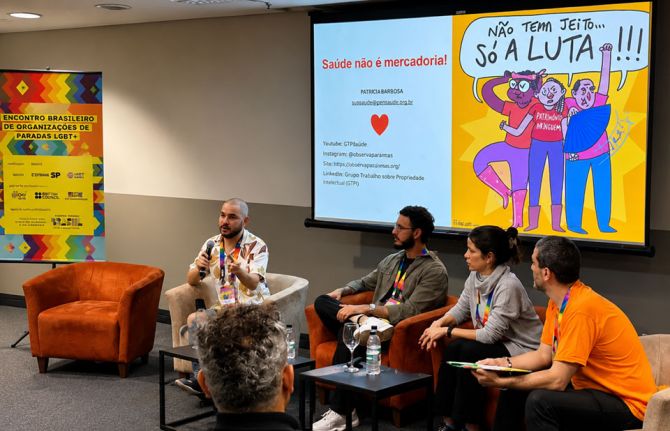
Brazilian LGBTQIA+ organizations demand equitable access to lenacapavir
26 June 2026
26 June 2026 26 June 2026Brazilian LGBTQIA+ organizations participating in the Pride Parade, led by the São Paulo LGBT Pride Association (APOLGBT-SP), have called for universal access to lenacapavir. The twice yearly long-acting injectable medication is considered one of the most significant innovations in HIV prevention and treatment. Lenacapavir has demonstrated nearly 100% efficacy in preventing HIV.
These organizations are stressing that the anticipated high cost of the antiretroviral drug could prevent its incorporation into Brazil’s Unified Health System (SUS), potentially deepening inequalities and undermining the country’s response to the HIV epidemic.
“One of our priorities is to foster discussion around crucial scientific innovations such as lenacapavir, ensuring that it reaches those who need it most,” said Nelson Matias Pereira, President of APOLGBT-SP.
The public manifesto emphasizes that access to health, science, and prevention technologies is a fundamental human right. It also warns about the disproportionate impact of the epidemic on historically marginalized populations, including gay men and other men who have sex with men (MSM), transgender people, sex workers, and other key populations that have long faced social vulnerability.
According to data from Brazil’s Ministry of Health, published in the 2025 HIV and AIDS Epidemiological Bulletin, Brazil recorded a 21.9% increase in new HIV infections between 2014 and 2024. According to UNAIDS, in Latin America, new HIV infections increased by 13% between 2010 and 2024, with approximately 120,000 new HIV infections reported in 2025 alone. An estimated 66% of these cases occurred among key populations and their sexual partners.
The signatories of the manifesto also note that Brazil was one of the countries that participated in the lenacapavir clinical trials, yet the country was excluded from voluntary licensing agreements that would allow the production of more affordable generic versions of the product.
“It is unacceptable that Brazil, which directly contributed to the clinical trials of this medication through Brazilian individuals and communities, has been excluded from voluntary licensing agreements and remains hostage to prices that make its incorporation into the SUS unfeasible. We cannot accept commercial barriers and patent restrictions that hinder access to HIV prevention and treatment,” said Mr Pereira.
For Federal Congresswoman Duda Salabert reason more to advocate for full lenacapavir access through the health system. “Patents play an important role in science, but there are moments in history when they must be weighed against a greater collective good through the public interest. The issue, of course, is the price,” she said. “I reject the idea that someone should be unable to live because they cannot afford treatment. That is why our office has taken up this cause and will continue fighting for access through the SUS,” added Ms Salabert.
The manifesto is calling for urgent action from Gilead Sciences and Brazil’s Ministry of Health. Their demands include:
- Continued access to lenacapavir for Brazilian participants in clinical studies;
- Immediate inclusion of Brazil in voluntary licensing agreements;
- Transparency in pricing negotiations;
- Pricing that is compatible with the long-term sustainability of the SUS;
- Meaningful participation of the most affected communities in decision-making processes; and
- Consideration of compulsory licensing should patent-related barriers and excessive pricing persist.
They also want the Ministry of Health to commission studies by the Oswaldo Cruz Foundation (Fiocruz) on the feasibility of public production of lenacapavir and other long-acting technologies for HIV prevention and treatment.
Region/country
Related

Feature Story
Haves and have nots: Combating health disparities in Morocco
25 June 2026
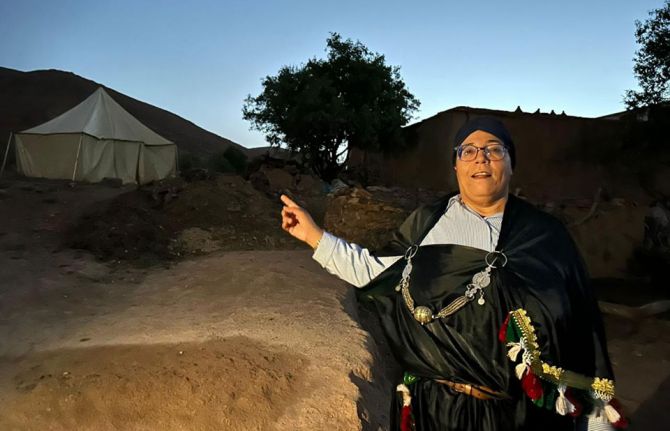
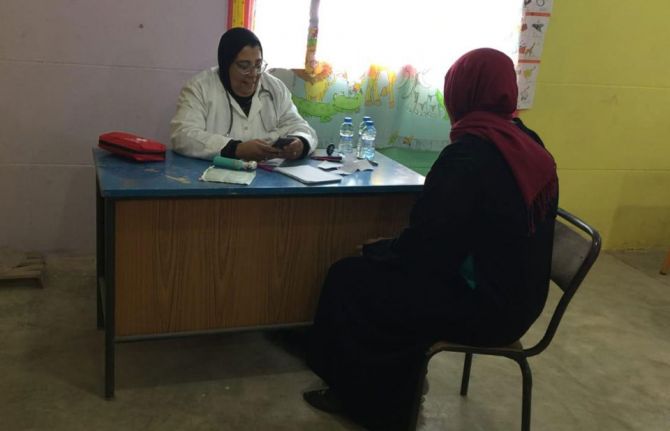
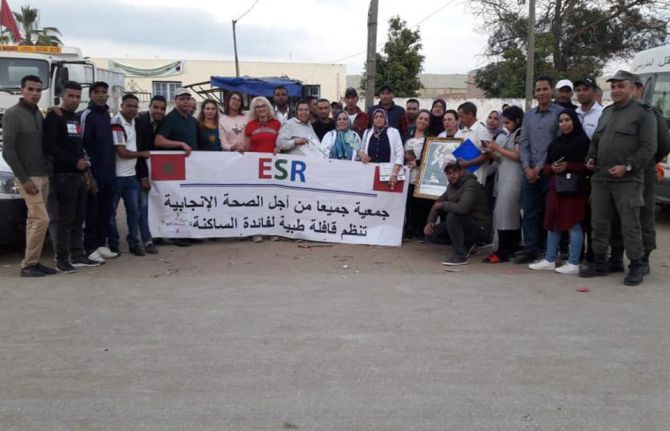
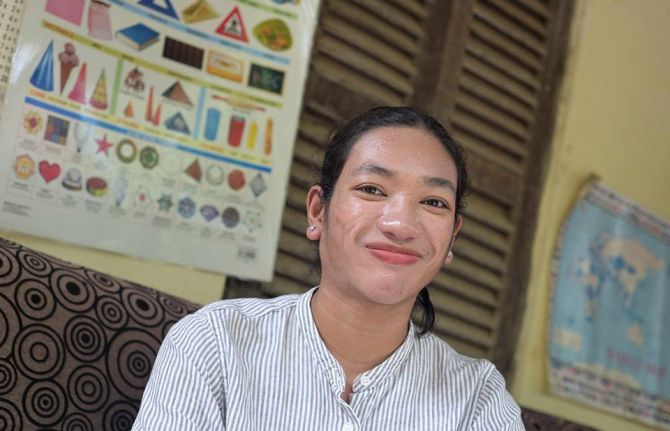
25 June 2026 25 June 2026Despite more than two decades of medical practice under her belt, Bouchra Assarag still revels going out in the field.
“The blind spots are women and girls especially in rural areas,” the Moroccan doctor said. She commended the Moroccan government for advancing on sexual and reproductive health and the low HIV incidence rate (0.08% among general population.) However she tirelessly leads workshops for parents and young people in the far reaches of her native Northern African country.
“My fight is not over,” she said insisting on not calling her a doctor but an activist. “For one child marriages are still occurring as families use legal loopholes, citing tradition and cultural practices.” In Morocco, 14% of girls marry before their 18th birthday, according to the non-governmental organization, Child Marriage Monitoring Mechanism.
As president of “Ensemble pour les droits à la santé sexuelle et reproductive,” EDSSR, (Together for the Right to Sexual and Reproductive Health) an organization that defends sexual health and rights in Morocco and Francophone Africa, a big portion of the work involves reaching and educating vulnerable populations.
“I don’t criticize anyone and am very sensitive to everyone’s plight like economic pressures and feeding one’s family, but my message stays the same,” Ms Assarag said. “The more you educate young people, the healthier they will be. Health is a human right.”
Driving long distances to remote areas does not dissuade her and she adjusts her ways. “They see me as coming from the big city of Casablanca so even I need to be mindful and extremely cautious about this for the various activities to work, communication is key,” she explained.
Adding to the organization's woes is the amount of misinformation being distributed on the internet and on social media. "Young people in Morocco and, I think, around the world, fear judgement so instead of asking the health worker or family about a condom, they bury themselves in social media,” she said. “It’s a catastrophe especially as anti-sexual education campaigns tend to go viral.”
The Global AIDS Strategy 2026-2031 states that prevention of sexual transmission of HIV is closely linked to efforts to avoid unintentional pregnancies and acquisition of other sexually transmitted infections. Key to ending AIDS is upholding the rights of women and girls and reducing the inequalities that drive the epidemic.
“Service uptake and impact tend to be higher when HIV prevention is embedded in broader sexual and reproductive health services, is free from stigma and supported by community leadership,” said Mary Mahy, Director of Data for Impact and a co-writer of the latest UNAIDS report, ‘United to End AIDS.’
UNAIDS Country Director Houssine El Rilhani commends Ms Assarag’s work. "Tailored community outreach, comprehensive sexuality education and rights-based sexual and reproductive health services are essential to sustain progress and ensure that populations living in rural or underserved areas get the attention and services they deserve.”
Ms Assarag has added another initiative to her long resumé.
Her organization has joined forces with the Moroccan Ministry of Health and Social Protection in putting together workshops around menstrual pain. “Again, we were faced with the same issues ranging from cultural taboo and a complete lack of information despite this affecting many women and girls,” she said.
Fighting injustices has motivated her from a young age. She remembers not understanding why her neighbour stayed with her husband despite him physically abusing her. She was also witness to stigma and discrimination as a young medical doctor when sex workers came in to be treated. “I am so grateful that the head doctor, my mentor, inspired me and showed great compassion to all, without prejudice or discrimination.”
Her current worry now is making sure that trained future health care workers can tackle the many health inequities. “In addition to the Master’s programme in Public Health, the training of health professionals within institutions in Morocco now includes modules on sexual and reproductive health, so I am optimistic,” she explains. Her teaching in these institutions places human rights and gender at the core of the curriculum.
“I stress autonomy for all and equality for men and women,” she said.
Region/country


Documents
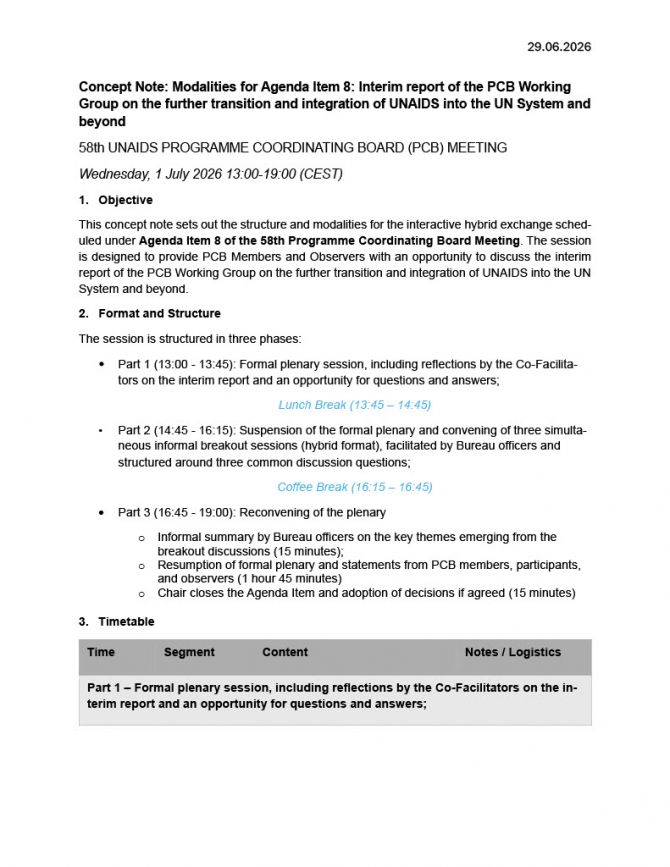
Agenda item 8: Concept Note
30 June 2026
Documents
Agenda item 1.3: Report of the Executive Director
30 June 2026
Documents
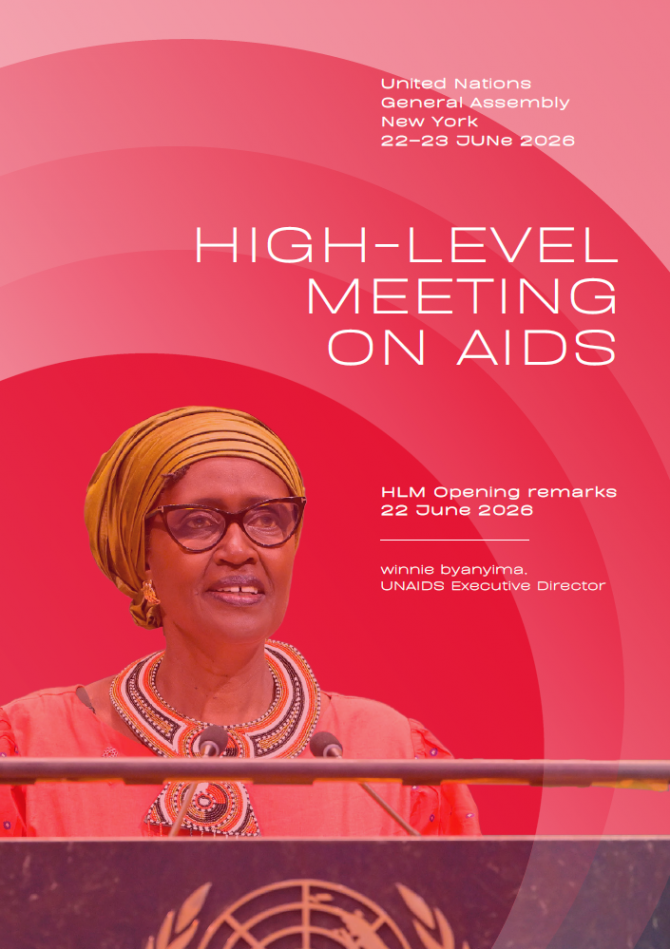
Opening remarks at the High-Level Meeting on HIV/AIDS
24 June 2026
Press Statement
United Nations High-Level Meeting on HIV/AIDS concludes with strong support for a bold political declaration for ending AIDS as a public health threat by 2030
24 June 2026 24 June 2026NEW YORK/GENEVA, 23 June 2026— At a moment of growing pressure and roadblocks to international cooperation, the United Nations High-Level Meeting on HIV/AIDS concluded today with overwhelming majority of Member States adopting a new Political Declaration on HIV and AIDS with strong support. The declaration reaffirms global commitment to ending AIDS as a public health threat by 2030 and sets specific and important new targets.
The outcome follows weeks of negotiations with all Member States and engagement with communities, civil society and partners and demonstrates that, even in an environment marked by reduced international financing and multilateralism, countries continue to recognise the urgency of sustaining progress against HIV.
The declaration will serve as an important road map to advance further success in the global HIV response over the next five years, guiding global efforts to accelerate additional progress despite decreases in funding for HIV and anti-rights headwinds. Notably, the 2026 political declaration reflects the ambitious targets contained in the new Global AIDS Strategy 2026-2031 and committed to convene a High-Level Meeting in 2031 to review progress against the pandemic after the 2030 milestone.
Setting out an agenda to evolve the global AIDS response for the shifting pandemic, it includes important new and ambitious targets and commitments to increase equitable coverage of HIV testing, treatment and prevention; addressing funding gaps; protect human rights and gender equity; expand access to HIV medicines and other technologies through sharing of technology and strengthening local production for sustainability; and expanding the space for communities and civil society in the AIDS response.
“This Political Declaration has sent a clear message: HIV remains one of the defining health and development challenges of our time, and the world cannot afford complacency. We leave New York with renewed political commitment and a shared understanding that progress is possible when countries lead, communities are empowered and solidarity is sustained. South Africa remains firmly committed to ending AIDS as a public health threat and to ensuring that no one is left behind in the next phase of the response,” said Dr Aaron Motsoaledi, Minister of Health of South Africa.
Javier Padilla, Spain’s State Secretary for Health said, “This is a positive development in a moment when multilateral cooperation is being tested. Countries have sent an important signal. Despite differences and a more complex political context, there remains strong support for sustaining progress and accelerating action to end AIDS.”
"This outcome shows that even in a very difficult global environment, countries remain committed to collective action in responding to the AIDS pandemic. The challenge now is to sustain investment, strengthen partnerships and deliver results for people,” said Madalitso Baloyi, Minister of Health from Malawi.
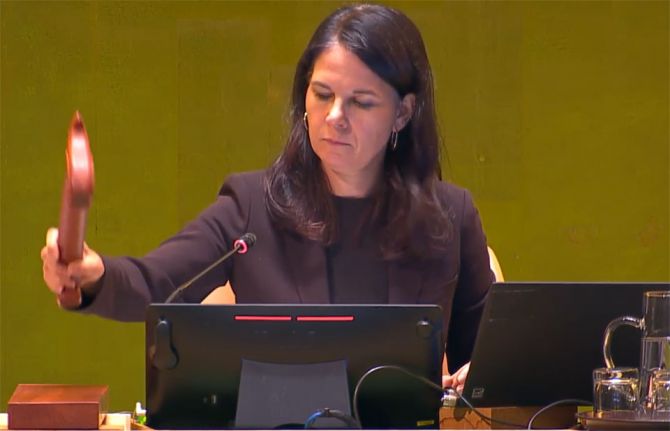
The High-Level Meeting on HIV/AIDS was convened by the President of the General Assembly, Annalena Baerbock with the co-facilitators—Permanent Representative of the Republic of Botswana, Ambassador David Masole, and Permanent Representative of Georgia, Ambassador David Bakradze leading negotiations on the political declaration.
“That so many Member States voted to support this political declaration in the moment is recognition that our progress remains worth protecting and that there is willingness to sustain the actions we need to achieve the 2030 goal.” said Winnie Byanyima, Executive Director of UNAIDS.
“The strong support shown for this Political Declaration on HIV, reflects our shared recognition of the progress achieved to date, while acknowledging that important challenges remain,” said Mariangela Simao, Brazil's Secretary of Health and environmental Surveillance at the Ministry of Health.
The High-Level Meeting brought together people living with HIV, communities, civil society, the private sector, scientists and leaders to reflect on progress in the AIDS response, the risks to sustaining it and priorities for the next five years.
Member States emphasized that domestic resource mobilization and international solidarity must reinforce one another rather than act as substitutes and stressed that financing transitions must support sustainable national responses.
Delegates highlighted the opportunities created by integration, innovation, and the importance of ensuring equitable access to new prevention and treatment approaches.
The importance of community leadership was highlighted throughout discussions and the declaration itself. There was also reaffirmation for the fact that communities continue to play an indispensable role in service delivery, accountability and reaching people left behind. Speakers and the declaration stressed that communities must remain central to implementation and governance.
“In today’s political context, this political declaration is a major win. Communities have fought for every gain in the HIV response, nothing has been handed to us. This declaration shows that commitment to ending AIDS remains strong, and communities will continue pushing until AIDS is ended as a public health threat,” said Florence Anam, Executive Director of GNP+. Delegates emphasized the continuing role of the United Nations and the importance of reinforcing the unique, multi-stakeholder coordiantion of the Joint United Nations Programme on HIV/AIDS (UNAIDS).
“Governments of the world, supported by communities, have come together and affirmed that multilateralism is alive and well. A majority of countries have adopted a strong declaration that sets ambitious targets for the world to race to the 2030 goal of ending AIDS as a public health threat. They have kept the promise of 25 years ago,” said Winnie Byanyima.
UNAIDS
The Joint United Nations Programme on HIV/AIDS (UNAIDS) leads and inspires the world to achieve its shared vision of zero new HIV infections, zero discrimination and zero AIDS-related deaths. UNAIDS unites the efforts of 11 UN organizations—UNHCR, UNICEF, WFP, UNDP, UNFPA, UNODC, UN Women, ILO, UNESCO, WHO and the World Bank—and works closely with global and national partners towards ending the AIDS epidemic by 2030 as part of the Sustainable Development Goals. Learn more at unaids.org and connect with us on Facebook, Twitter, Instagram and YouTube.