
Documents
PCB59 Guidelines for registration
08 December 2026
Documents
Intersessional: Modalities and Procedures for 2026 PCB Meetings
08 December 2026


Feature Story
New prevention tools, old barriers: Young people shaping the HIV response in Asia and the Pacific
23 October 2026
23 October 2026 23 October 2026Taking a pill every day may sound simple. But for a young person worried about stigma, privacy or how to explain the medication to their family, it can be anything but.
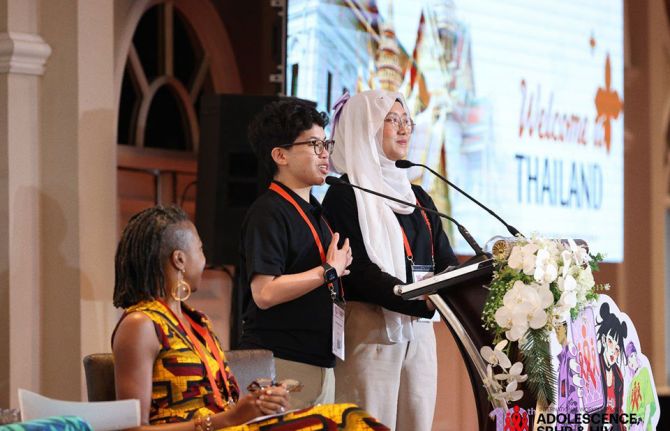
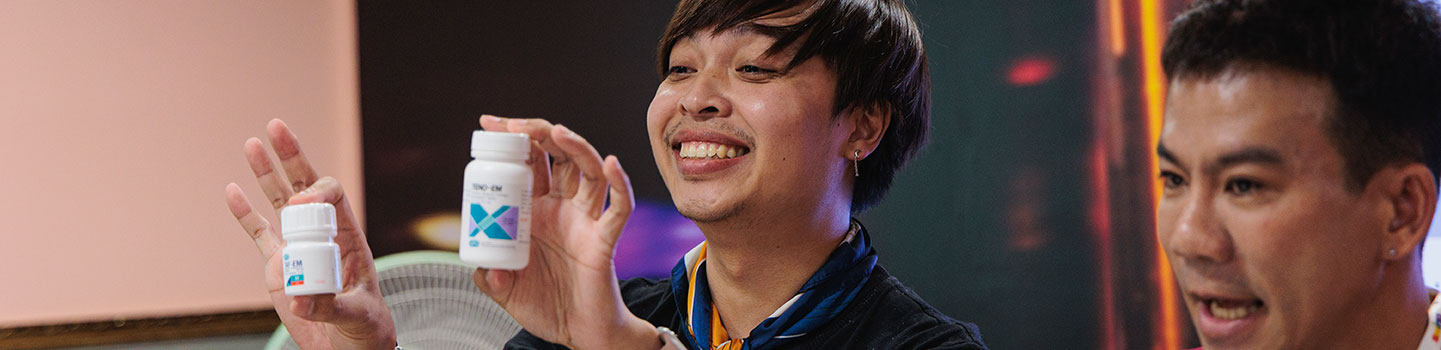
For Tuyet, a young advocate for sexual and reproductive health and rights from Viet Nam, this was among the pressing issues discussed at the 10th International Workshop on Adolescence, Sexual and Reproductive Health and Rights, and HIV, held in Bangkok in September 2026.
“Even when services are available, young people can still face stigma, discrimination and other barriers that make it hard for them to seek care or continue using it,” she said.
The new long-acting HIV prevention options could offer alternatives to daily pills, but making these advances available and accessible to young people remains a challenge.
In 2025, around 80,000 young people acquired HIV in Asia and the Pacific, accounting for 29% of all new HIV infections. Between 2010 and 2025, new infections among young people increased fivefold in the Philippines and more than tenfold in Fiji.
Too many young people from key populations still struggle to access HIV prevention services. Among countries with available data, prevention programmes reach a median of just 28% of young gay men and other men who have sex with men, and 21% of young people who inject drugs. According to UNAIDS, in 20 of 34 countries assessed, some adolescents still need parental consent to get an HIV test.
“Young people are not being held back by a lack of prevention tools. They are being held back by cost, consent requirements, misinformation and services that are difficult to reach or not youth-friendly,” said Wipaporn Natalie Songtaweesin, Paediatric Infectious Diseases Physician and Lecturer at Chulalongkorn University.
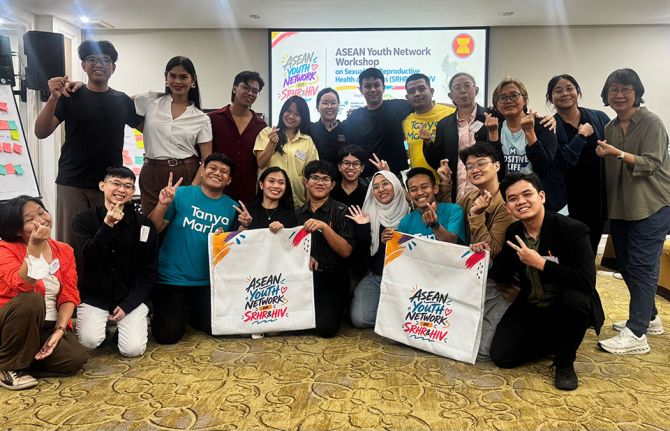
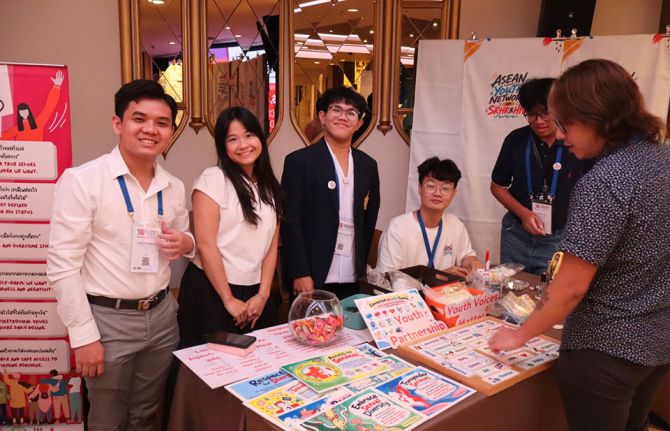
Held in Asia for the first time, the workshop brought together young leaders, clinicians, researchers and policymakers to discuss advances in HIV prevention and treatment and how to make them work for young people.
Experiences shared in Bangkok showed what can happen when young people help design services.
In Thailand, the MPLUS Lampang Foundation established Youth Hubs combining peer outreach, sexual health information and mental health support in safe spaces designed around young people's needs. The initiative engaged nearly 4,900 young people in one year. All those diagnosed with HIV through the initiative were linked to treatment, while others initiated PrEP.
In Cambodia, Men’s Health Cambodia used social media, dating apps, peer educators and influencers to share information about PrEP, HIV self-testing and other prevention options with young key populations. The campaign reached more than 13,800 people at high risk of HIV, with 369 screened and enrolled in PrEP.
“Young people should not just be the audience for HIV programmes. We need to be the designers, because we understand how young people are navigating health and information today,” said Jeremy Tan of Youth LEAD, a co-organizer of the workshop.
Young people are also helping shape policies. In Thailand, a Youth-Led Policy Lab developed recommendations for stigma-free primary health services, easier online access to condoms and HIV self-test kits, better integration of sexual and mental health care, and improved sexuality education.
Youth LEAD is working with young people in many countries to address digital gender-based violence and improve access to reliable HIV and sexual and reproductive health information online.
The 2026 United Nations Political Declaration on HIV/AIDS commits countries to meaningful youth engagement in decision-making and predictable, flexible funding for youth-led initiatives.
“Young people need prevention they can reach, services they can trust and policies that enable them to seek care,” said Eamonn Murphy, UNAIDS Regional Director for Asia and the Pacific, Eastern Europe and Central Asia.
UNAIDS is supporting youth-led approaches across the region. In the Philippines, a Youth Health Learning Package developed with the UN Joint Team on AIDS, government and community partners was co-designed and delivered by young people, including young key populations. So far, 171 young people have been certified as facilitators, and the programme is being integrated into local youth development and health plans.
“UNAIDS is an immensely important partner in endorsement, technical advice and is a critical convening power for frontline organisations to galvanise efforts in the movement forward for adolescent health,” said Ms Songtaweesin.
For Riddy Sonsomsuk of Youth LEAD, a young leader from Thailand who co-chaired the workshop and served on its Youth Reference Group, the discussions offered a reminder of what matters most.
“While data and numbers are crucial for human rights advocacy and funding, we may sometimes become so focused on them that we forget who and what we are ultimately doing this work for,” said Mr Sonsomsuk.
New HIV prevention technologies are creating more choices. Whether young people benefit from them will depend on removing barriers to services and giving them the resources and influence to shape decisions about their health.
Related


Documents
Agenda item 2: Summary of the multistakeholder consultation
26 October 2026
Documents
Agenda item 2: Options Paper
26 October 2026
Feature Story
“I was in a cage. LEN gave me freedom”
20 October 2026
20 October 2026 20 October 2026After years of fear, a young trans woman in Gauteng found HIV protection that works for her: an injection she needs only twice a year.
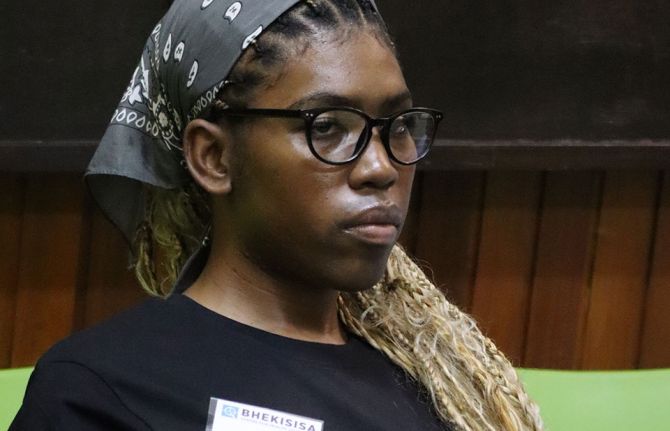
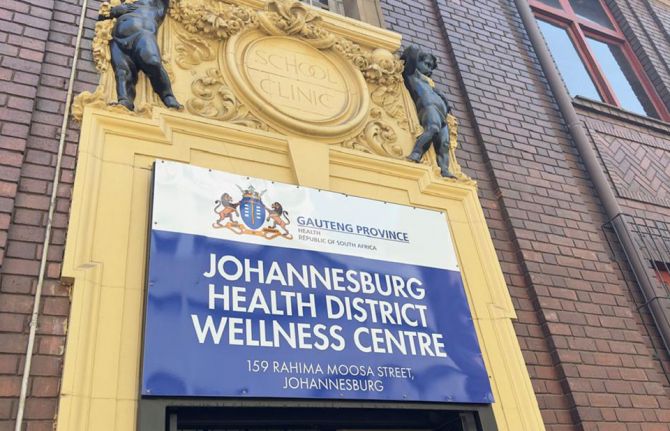
It was a quiet Wednesday morning when Yoweli walked into the clinic, the first person there. She was nervous, until she saw the LGBTQI+ flag on the wall. “I was like, okay, this is where we belong,” she says. “This is where we are accepted.”
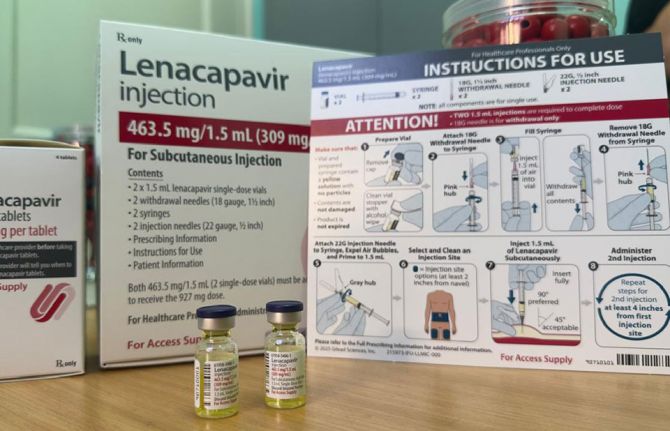
That morning, the 22-year-old got her first injection of lenacapavir (LEN), which protects people from HIV for six months at a time. On the way home, one thought stayed with her: “I’m protected. Finally, there’s something to protect me other than myself.”
Yoweli grew up in East London in the Eastern Cape, the youngest of six children, and knew she was a girl from about the age of nine. Last year she moved to Gauteng, where she lives with her older sister and is in her second year of a degree in psychology and information science.
She was 15 and just starting high school when she was raped. Afterwards, she decided the only way to stay safe from HIV was to stay away from sex completely.
At the age of 18, in 2022, she tried PrEP, the daily HIV prevention pill. She hid the pills in her bag so her family wouldn’t find them. She had also just started hormone therapy, and a second daily pill felt like too much. After two days, her doctor told her to stop because her liver couldn’t cope.
In 2024, a “friend” sexually assaulted her.
After that, whenever a relationship moved towards intimacy, fear took over: what if he has HIV and I don’t know? She made excuses, and relationships ended. “I was in a shell. I was in a cage,” she says.
Her biggest fear wasn’t getting HIV from a partner. It was being raped again, and this time being infected. “How am I gonna live with myself, knowing I got HIV from someone I don’t even know?” she says. “It wouldn’t be my fault. It wasn’t my consent.”
That fear is rooted in reality. In a 2018 community-led survey of 213 transgender women in Johannesburg, Cape Town and East London, 58% of them reported having experienced sexual violence. In a separate study of nearly 900 trans women, 63.3% were living with HIV in Johannesburg and 46.1% in Buffalo City, the metro that includes East London.
Yoweli now gets her hormone therapy at Charlotte Maxeke Academic Hospital in Johannesburg, where staff in the section serving key populations ask which name and pronouns she wants them to use. Elsewhere in the health system, she says, staff called her by her old name. When she objected, she was told it was a hospital, not a charity.
When a friend who works with an LGBTQI+ organisation told her about LEN, her reaction was instant. “I felt security,” she says.
The injection felt like a small pinch, and the spot was sore for three days. Her one word for life since: freedom. She goes out on weekends now, and she’s open to dating again. “I’m out there, being myself, as young as I am, and enjoying my youth.”
That moment was made possible partly by a fight fought far from Gauteng. When LEN was approved in the US, Gilead set a list price of $28,218 per person per year. UNAIDS pushed back publicly using credible cost estimation by experts which showed that the drug could cost no more than $40 per person a year to ensure equitable access. In September 2025, UNAIDS welcomed new deals with generic producers that would bring the price for HIV prevention down to just US$40 per person per year. While access to lenacapavir remains limited due to limited supply, the need for rollout expansion to turn the tide against new HIV infections in urgent. UNAIDS estimates that 1.3 million people were infected with HIV in 2024.
South Africa began rolling out LEN on 5 June 2026, with the first phase reaching about 360 public clinics and health facilities in high-burden districts across six provinces.
Yoweli wants it in more clinics, schools, churches and clinic queues. She has started counselling in her career journey and hopes to do a master’s in psychology so she can support other LGBTQI+ people, especially trans learners.
“We are also human,” she says. “As a trans woman, I deserve respect. I deserve to be seen.”
Speaking to Yoweli was made possible by the National Department of Health as part of journalist-training workshop on Len led by Bhekisisa Centre for Health Journalism.
Documents
Agenda item 3: Unified Budget, Results and Accountability Framework (UBRAF): 2027 Workplan and Budget
26 October 2026
